 Pin to Board
 My kitchen smelled like sesame oil and lime the night I discovered that maple syrup and soy sauce were basically made for each other. I'd been standing in front of the salmon counter at the market, staring at those beautiful pink fillets, thinking about how I could make something feel fancy but still get dinner on the table in twenty minutes flat. That glaze came together almost by accident, but the moment it hit the hot pan and started to caramelize, I knew I'd stumbled onto something special that would become my go-to weeknight salvation.
I made this for my neighbor last summer when she helped me move boxes in the June heat, and watching her face when she tasted that first bite reminded me why cooking for people matters. She closed her eyes and said the salmon was so tender it practically melted, and the glaze had this incredible depth that made you wonder what the secret ingredient was, even though it was just four basics that probably sat in her own pantry the whole time.
Ingredients
- Salmon fillets: Look for fillets that are firm to the touch and smell like the ocean, not fishy, and aim for ones that are roughly the same thickness so they cook evenly without you having to babysit them.
- Pure maple syrup: Don't reach for the imitation stuff here because the glaze needs that real maple depth to balance the salty soy, and it's honestly worth the extra dollar or two.
- Low-sodium soy sauce: This is your secret weapon for seasoning without turning the glaze into a salt lick, and it lets the maple and ginger actually shine through instead of getting muddled.
- Rice vinegar: That bright acidity cuts through the richness and keeps the glaze from feeling heavy, plus it adds a subtle sweetness that regular vinegar just doesn't have.
- Fresh lime juice: Bottled juice will do if you're in a genuine time crunch, but fresh lime brings this pop of brightness that makes the whole dish feel alive and fresh.
- Sesame oil: A little goes a long way here, and toasted sesame oil especially brings this nutty warmth that ties all the Asian flavors together beautifully.
- Garlic and ginger: Mince these as fine as you can because they dissolve into the glaze and create this aromatic base that makes everyone wonder what you did differently.
- Jasmine or basmati rice: Either one works, but jasmine has this subtle floral note that pairs gorgeously with the glaze, while basmati is a bit nuttier and equally delicious.
- Fresh vegetables: Broccoli, snap peas, and bell pepper are my go-to trio because they stay crisp and don't turn to mush, but you can swap in asparagus, carrots, or bok choy if that's what you have.
- Sesame seeds and green onions: These aren't just garnish fluff, they're the finishing touches that make the dish look like you actually know what you're doing in the kitchen.
Tired of Takeout? 🥡
Get 10 meals you can make faster than delivery arrives. Seriously.
One email. No spam. Unsubscribe anytime.
Instructions
- Start your rice with intention:
- Rinse those grains under cold water until the water runs clear because you're washing away the starch that would make everything clumpy, then measure out your rice and water and get that pot to a boil. Once it's boiling, cover it, turn the heat down low, and set a timer for twelve minutes so you don't hover over it like you're waiting for a text.
- Build your flavor bomb:
- Whisk together the maple syrup, soy sauce, rice vinegar, lime juice, and sesame oil in a small bowl, then add your minced garlic and ginger and stir it all together until it's smooth and fragrant. This is the moment where you're essentially creating liquid gold, so don't skip whisking it properly because you want everything incorporated and ready to shine.
- Prep your salmon with respect:
- Pat those fillets dry with a paper towel because moisture is the enemy of a good sear, then season each one lightly on both sides with salt and pepper. You're not trying to crust it yet, just giving it enough seasoning to taste like something intentional.
- Sear like you mean it:
- Heat your oil in a large nonstick skillet over medium-high heat until it shimmers, then lay the salmon in skin-side down if it has skin, and resist the urge to move it around. Let it sit there untouched for three minutes until the skin gets golden and crispy, which is when you know the magic is happening.
- Glaze and finish:
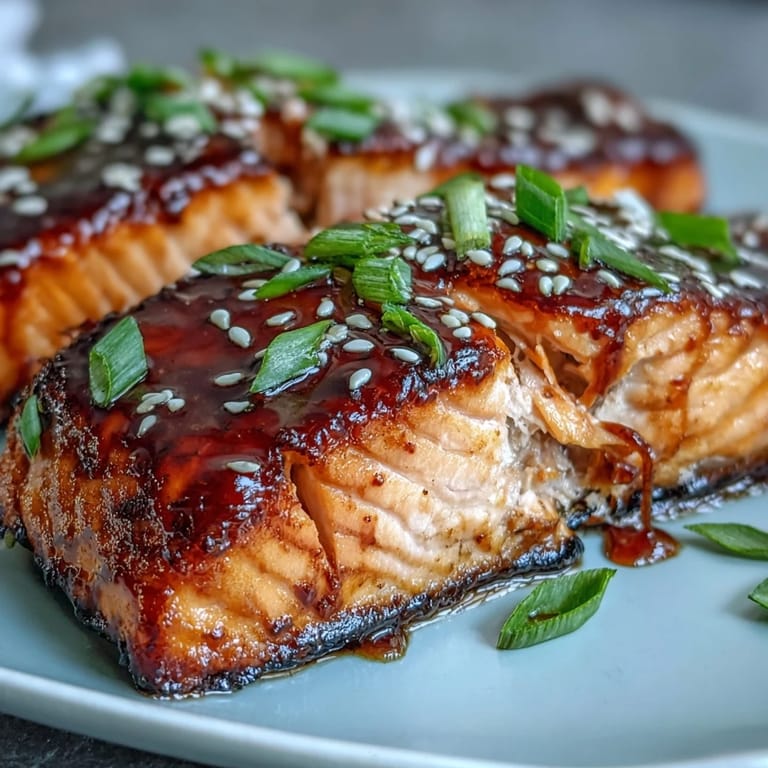
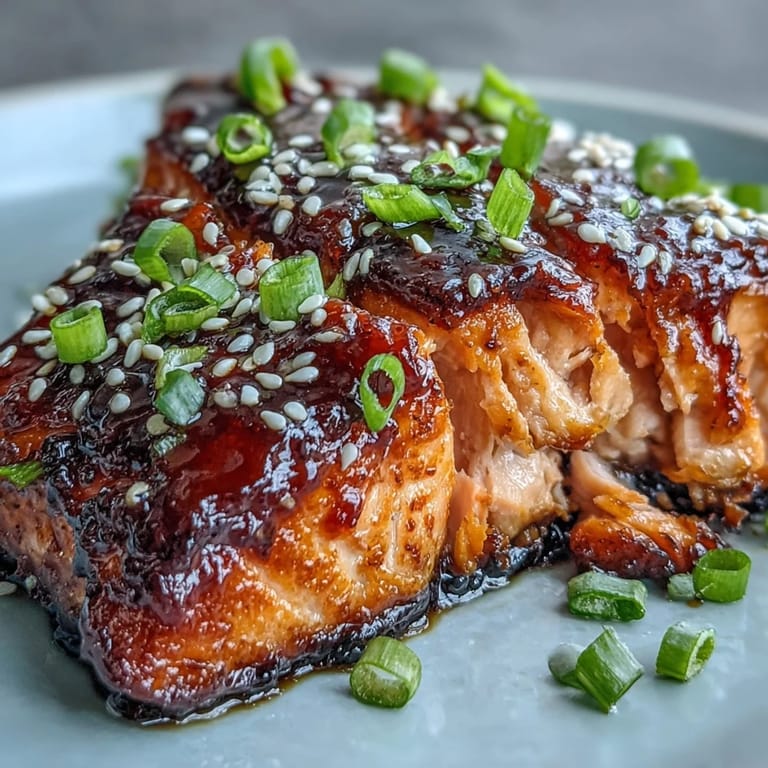
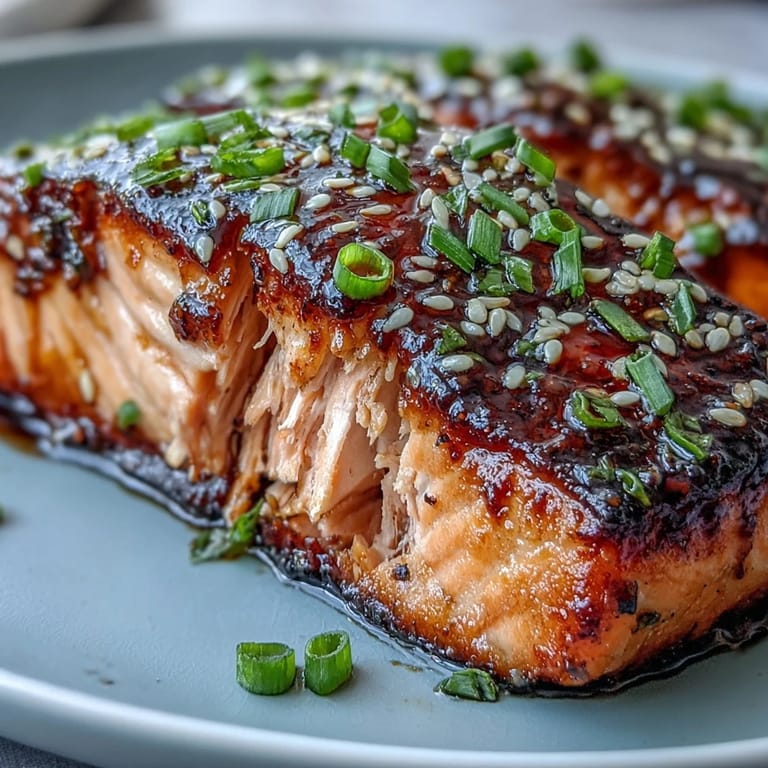
- Flip those fillets carefully, then pour that glaze over top and keep the heat medium-high so it reduces and becomes thick and glossy. Spoon the glaze over the salmon every minute or so, which sounds fussy but actually takes ten seconds and makes sure every inch gets coated in that caramelized goodness, and cook until the salmon flakes gently when you test it with a fork, about three to four minutes.
- Crisp up your vegetables:
- While the salmon is cooking its final moments, heat a separate pan or use a steamer basket to cook your broccoli, snap peas, and red bell pepper until they're tender but still have snap and color. A pinch of salt is all they need because they're meant to be a fresh counterpoint to the rich glaze.
- Compose your bowls with care:
- Divide the rice among your bowls first, then nestle the vegetables around it, and finally place a glazed salmon fillet on top like you're plating for an audience. Drizzle any extra glaze from the pan over the top, then scatter green onions and sesame seeds across everything and add a lime wedge for squeezing.
 Pin to Board
 There's something about this dish that turned it into my emergency dinner when my partner was having a rough week and needed something that tasted like someone cared. It's simple enough that I could make it without thinking too hard, but it felt special enough that it said all the things I wanted to say without words.
The Magic of the Glaze
That maple-soy combination works because maple brings natural sweetness and body, soy adds umami depth and saltiness, and when you put them together in a hot pan, they create this caramelized coating that's neither too sweet nor too salty but somehow tastes like both and neither at once. I've tried tweaking it a hundred ways, and every time I deviate, I end up coming back to this exact ratio because it's honestly just perfectly balanced. The rice vinegar and lime juice keep it from being cloying, the ginger and garlic give it sophistication, and that touch of sesame oil brings it all together with this nutty warmth that makes people pause mid-bite and ask what that flavor is.
Timing is Everything
The reason this comes together in twenty minutes is because you're working in parallel instead of sequentially, which means while your rice is simmering peacefully covered on the stove, you're making your glaze and prepping everything else. Once the salmon hits the pan, you've got maybe eight minutes total, which is enough time to start sautéing or steaming your vegetables, and by the time you flip that salmon, your vegetables are basically done. It's like a little dance where every element arrives at the plate at the exact same time without you losing your mind trying to coordinate everything.
Variations That Keep Things Interesting
I've learned that this glaze is flexible enough to work with other proteins if you're in a salmon rut, and I've made it with chicken thighs, which get gloriously dark and caramelized, or even thick shrimp, which pick up the glaze almost instantly. The vegetable trio is my favorite because it hits all the textural notes, but you can absolutely swap in asparagus, baby carrots, or even bok choy if that's what makes sense for your week. The rice is equally forgiving, and jasmine is my preference but white rice, brown rice, or even cauliflower rice would work if you're looking to change things up.
- Add a pinch of red pepper flakes to the glaze if you like a subtle heat that builds as you eat.
- A touch of honey can substitute for maple syrup if that's what you have on hand, though it'll be slightly less complex.
- Fresh cilantro scattered over the top right before serving adds a brightness that takes it in a completely different direction.
 Pin to Board
 This dish became my answer to the question of what to make when you want something that tastes like celebration but doesn't require you to spend your whole evening cooking. It's the kind of meal that makes a regular Tuesday feel a little bit special, and that's honestly the whole point of getting good at cooking things.
Recipe Questions & Answers
- → Can I use honey instead of maple syrup?
Yes, honey makes an excellent substitute for maple syrup in the glaze. The flavor profile will shift slightly but still deliver that sweet-savory balance that makes this dish special.
- → How do I know when the salmon is done?
The salmon is finished when it flakes easily with a fork and reaches an internal temperature of 145°F. The glaze should be thick and glossy, coating the fish beautifully.
- → Can I make this gluten-free?
Absolutely. Simply swap regular soy sauce for gluten-free tamari or coconut aminos, and double-check that all other ingredients are certified gluten-free.
- → What other vegetables work well?
Asparagus, carrots, bok choy, snow peas, or sliced zucchini all pair wonderfully with the maple soy flavors. Choose vegetables that cook quickly and maintain a bit of crunch.
- → Can I cook the salmon in the oven?
Bake at 400°F for 12-15 minutes, brushing with the glaze during the last few minutes of cooking. Broil for an additional 1-2 minutes to achieve that caramelized finish.
- → How spicy is this dish?
The base version is mild with no heat. Add red pepper flakes to the glaze or serve with sriracha if you enjoy a spicy kick to complement the sweet and savory flavors.