 Pin to Board
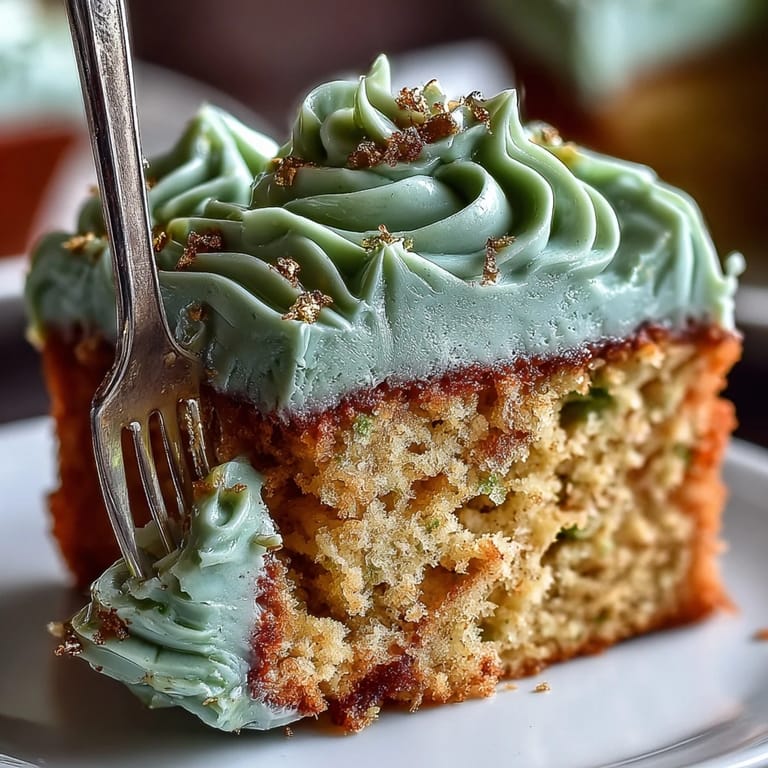
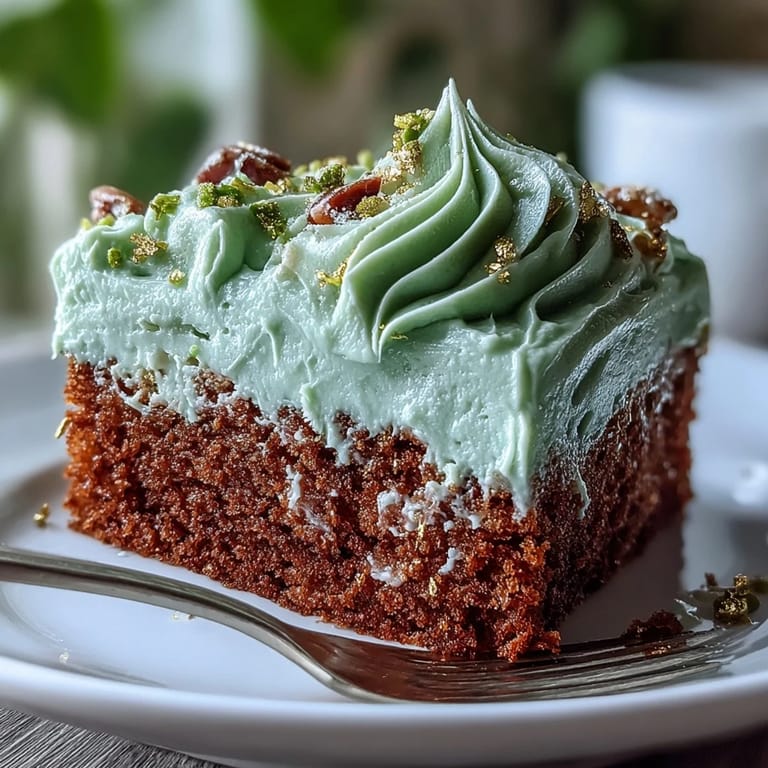
 There’s a quiet kind of thrill in peeling back parchment from a freshly cooled sheet cake, especially when the air hums with anticipation for a graduation celebration. As the gentle scent of vanilla lingered in our kitchen, even my notoriously cake-indifferent brother wandered in for a peek. Between the soft glow of afternoon sunlight and little piles of sprinkles ready on the counter, making this sage green and gold cake felt like signing the final page of a story. Half the fun was deciding just how dramatic the gold accents should be. It’s not a cake that begs for subtlety—and really, that’s the whole point.
Last spring, packed into a kitchen full of jubilant noise and last minute decorations, I piped graduation caps and scrolls onto this cake as my cousin offered unsolicited advice on gold drizzle techniques. Frosting smudged my sleeve, my aunt declared that it ‘smelled like a bakery in here’—and by the time we sliced into it, the speech notes were forgotten but nobody missed the diplomas. Every guest went home with a smudge of frosting somewhere on their face, proof that we truly celebrated.
Ingredients
- All-purpose flour: Stick to unbleached, and always measure by spooning into the cup before leveling for best texture.
- Baking powder: Freshness matters—test a pinch in water if it’s been open a while.
- Salt: Just a bit brightens all the flavors, but don’t be tempted to skip it.
- Unsalted butter: Room temperature is key to a light, even crumb—a trick I learned the hard way after dense cakes.
- Granulated sugar: Whipping this with butter until visibly pale makes a big difference in fluffiness.
- Eggs: Let them reach room temperature for better mixing and higher rise.
- Pure vanilla extract: Splash in the real deal for the warm, fragrant undertones you want in a celebration cake.
- Whole milk: Also at room temp—the silent secret to a soft crumb.
- Powdered sugar: Sift before beating for the silkiest buttercream—lumpy icing never looks quite as celebratory.
- Heavy cream or milk: Add a little at a time to finesse the texture; too much and the buttercream slides a bit.
- Sage green gel food coloring: Gel is ideal for vivid color without thinning your frosting.
- Gold edible luster dust: The drama-maker for your details—just don’t breathe in when mixing.
- Clear vanilla or vodka: Loosens the gold dust for painting, and evaporates quickly for a shimmery finish.
Tired of Takeout? 🥡
Get 10 meals you can make faster than delivery arrives. Seriously.
One email. No spam. Unsubscribe anytime.
Instructions
- Prep Your Pan:
- Grease your 12x18 inch pan, line with parchment, and give yourself a head start on stress-free release; hearing that soft slip of paper come free later is oddly satisfying.
- Mix Dry Ingredients:
- Whisk flour, baking powder, and salt until combined—the whiff of flour and the sprinkle of salt sets the stage for everything else.
- Cream Butter and Sugar:
- Beat at medium speed until the mix is pale and gorgeously fluffy; if your arm aches a little, you’re doing it right.
- Add Eggs and Vanilla:
- Crack in eggs, one by one, mixing well between each, then pour in vanilla to scent the batter—it should smell like pure birthday joy.
- Combine Wet and Dry:
- Gently mix in dry ingredients in three rounds, alternating with milk; end with flour, and stop as soon as you no longer see streaks.
- Bake the Cake:
- Pour the batter—smooth it out—and bake for 28-32 minutes; your kitchen should smell like celebration right about now.
- Cool Completely:
- Set the pan on a wire rack and let the cake cool until even the center isn’t warm to the touch.
- Make Sage Buttercream:
- Beat butter on high until creamy, then add powdered sugar a cup at a time—scrape your bowl for the smoothest swirl—follow with vanilla, salt, and enough cream to reach a fluffy, spreadable cloud.
- Tint and Reserve Buttercream:
- Tint most of the frosting with sage green gel until it evokes a garden after rain; scoop out a small bowl for gold detailing.
- Frost and Decorate:
- Spread sage buttercream over the cooled cake, then mix luster dust with clear vanilla or vodka; paint or swirl on golden flourishes using a food-safe brush or by blending a marbled gold right into portions of the buttercream.
- Add Final Touches:
- Pile on festive details—think piped scrolls, little graduation caps, or bold gold sprinkles; this is your moment for generous celebration.
 Pin to Board
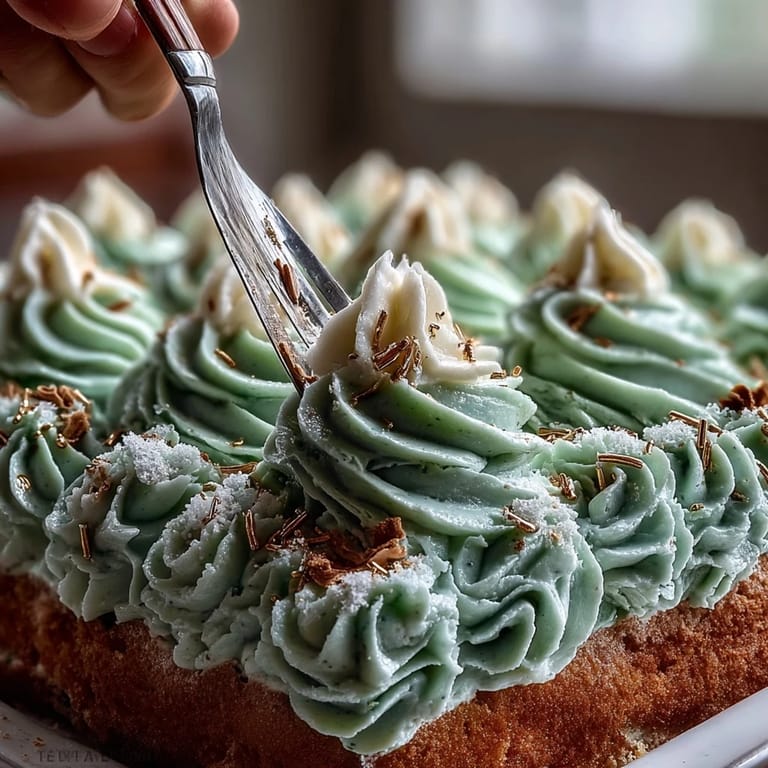
 The first time someone called this cake ‘too pretty to eat,’ it held up just long enough for a round of photos—but seconds later, everyone dove in anyway, forks clinking against the sheet pan and laughter tangling with every bite. That moment—equal parts pride and mess—always reminds me why I bake for big milestones in the first place.
What’s the Secret to Smooth Buttercream?
Keep everything at true room temperature and take your time beating the butter and sugar—any chill or hurry leads to lumps and frustration. Don’t skip sifting your powdered sugar, and use your mixer’s paddle attachment for the creamiest results.
Gold Accents for a Festive Finish
Gold luster dust may seem fussy, but painting it on details or mixing into buttercream turns any sheet cake into a centerpiece. That touch of metallic shimmer feels effortlessly special, and you hardly use any—so it’s worth the investment.
Handling Leftovers and Making Ahead
This cake stays fresh covered at room temperature for two days, or longer if chilled—just bring it back to room temp before serving for the softest crumb.
- Wrap leftovers tightly in plastic wrap before refrigerating.
- Freeze well-wrapped slices for up to a month; thaw before enjoying.
- For sharp slices, chill the cake for one hour before cutting.
 Pin to Board
 May your celebrations be as joyful and golden as every slice—don’t forget to snag a photo before the first forkful disappears.
Recipe Questions & Answers
- → How do I get a smooth, stable buttercream?
Beat room-temperature butter until creamy, add sifted powdered sugar gradually, then add vanilla and cream one tablespoon at a time until spreadable. Chill briefly if it becomes too soft, and re-whip to restore consistency before piping.
- → What's the best way to achieve a sage green hue?
Use concentrated gel food coloring and add very small amounts, mixing fully between additions. The color can deepen slightly as the buttercream rests, so aim for a touch paler than your target.
- → How should I apply gold accents without smudging?
Mix edible gold luster dust with a few drops of clear vanilla or vodka to make a paint, then use a food-safe brush to paint piped accents. Alternatively, fold dust into reserved buttercream for a marbled effect. Allow painted areas to set before wrapping or stacking.
- → How can I ensure even baking in a large sheet pan?
Spread batter evenly and tap the pan to remove air pockets. Bake on the center rack and start checking for doneness at 28 minutes with a toothpick. If edges brown too fast, tent loosely with foil for the final minutes.
- → Can this be made ahead of time?
Bake the sheet cake a day ahead and store wrapped at room temperature. Keep buttercream refrigerated and bring it to room temperature, then re-whip before spreading. Assemble and chill briefly for cleaner slices on the day of serving.
- → Are there easy substitutions for dietary needs or flavor changes?
Use a 1:1 gluten-free flour blend for a gluten-free version (texture may vary), or swap vanilla for lemon or almond extract for different flavor profiles. Adjust liquids slightly if batter consistency changes.