 Pin to Board
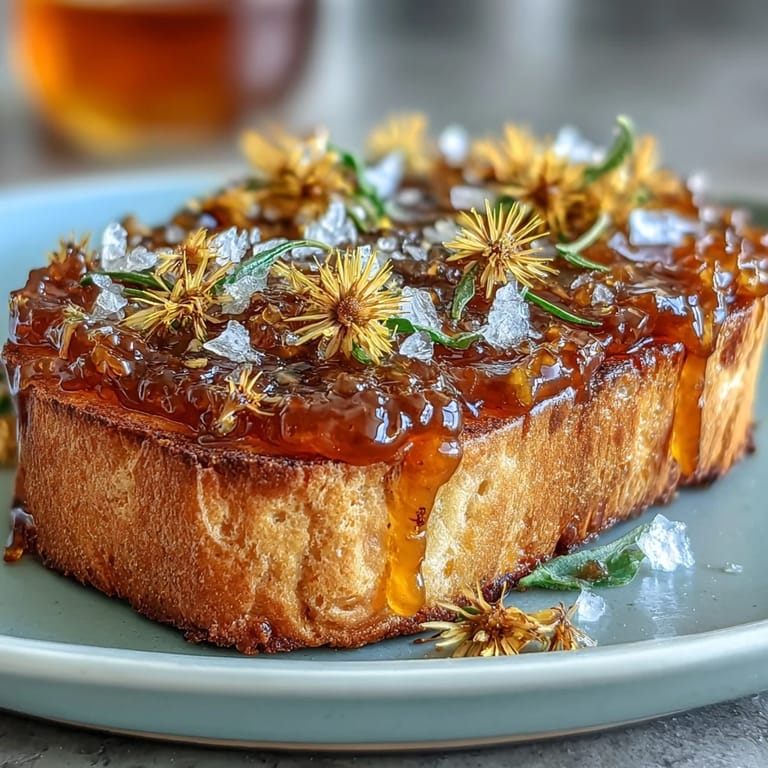
 The subtle aroma of dandelion petals simmering reminds me of early spring mornings when the backyard was dotted with bright yellow blooms. I had always wondered if there was more to these common weeds until a neighbor surprised me with a jar of golden jelly, urging me to taste. That first spoonful was unexpectedly delicate, sweet, and floral—not at all what I would have guessed from a garden invader. Trying my hand at dandelion jelly, I found the process oddly meditative, sorting petals, watching the transformation from tea to shimmering preserve. The gentle honeyed flavor always transports me back to those days spent foraging in the sun.
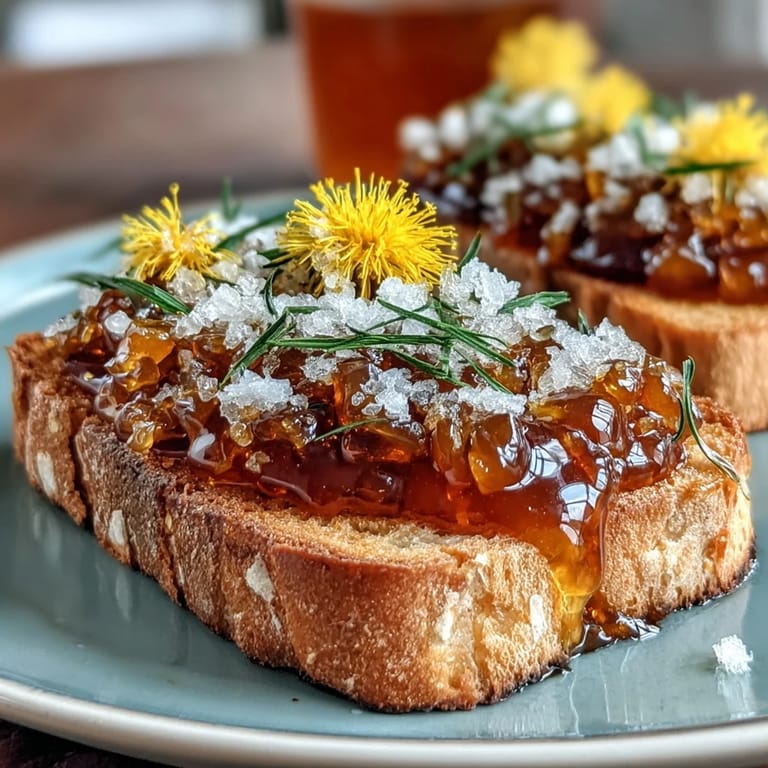
I once made a batch of dandelion jelly for a brunch with friends, and the reactions ranged from pure wonder to playful skepticism. As we spread the golden jelly onto warm toast, someone guessed honey while another swore it tasted just like sunshine. It sparked laughter and stories about childhood gardens, momentarily turning the meal into an impromptu memory-sharing session. Moments like that make me reach for this recipe whenever dandelions start popping up outside.
Ingredients
- Dandelion Petals: Only use the yellow parts—skip the green bits, which add bitterness. Gathering them is a great excuse for an outdoor stroll, and rinsing thoroughly removes any hidden bugs or dirt.
- Water: This forms the base for steeping the petals—fresh cold water is best, and using filtered water gives a cleaner flavor.
- Lemon Juice: It brightens the jelly and helps balance the floral sweetness. I suggest fresh lemon for a livelier zing, but bottled works in a pinch.
- Pectin: Powdered fruit pectin helps the jelly set. Always check the box for expiration—old pectin won't gel properly.
- Sugar: Granulated sugar is the backbone of this preserve. Measure it carefully to guarantee the right sweetness and texture.
Tired of Takeout? 🥡
Get 10 meals you can make faster than delivery arrives. Seriously.
One email. No spam. Unsubscribe anytime.
Instructions
- Prep the Dandelions:
- Rinse flowers under cool water, then gently pluck just the yellow petals. Take your time—avoiding green bits makes all the difference in taste.
- Steep for Flavor:
- Bring water to a boil. Add petals, turn off heat, cover, and steep for several hours or overnight. The kitchen will fill with a faint earthy scent as the tea brew develops.
- Strain and Measure:
- Strain the liquid through a cheesecloth or fine sieve, pressing firmly to extract every drop. You should end up with about four cups of deeply colored dandelion tea.
- Cook the Jelly:
- Pour tea into a big saucepan, add lemon juice and pectin, and bring to a rolling boil while stirring. Add sugar all at once, boil hard for 1–2 minutes, then remove from heat and skim off any foam that forms.
- Fill Jars and Process:
- Ladle hot jelly into sterilized jars, leaving a quarter-inch at the top. Seal and process in a boiling water bath for five minutes, or simply refrigerate the jars for quick enjoyment.
 Pin to Board
 The first time I gave a jar to my grandmother, she stared at it suspiciously before trying a spoonful. Her face softened, then broke into a grin—it was enough to warm my heart and spark a whole conversation about other ways to use dandelions. This jelly has since become a sweet gesture, given to neighbors and friends when the flowers are at their peak.
Foraging Tips That Make It Special
Picking dandelion petals is easiest in the morning when the flowers are fully open and dry from any dew. Wearing gloves helped me avoid sticky hands, and I quickly learned it&apost;ll take more blossoms than I thought to fill up four cups. Gathering from pesticide-free areas is essential—public parks or your own backyard are safest bets.
How To Get The Perfect Set
Once, my jelly didn&apost; firm up, so I tweaked the recipe and learned to test the mixture using the cold plate trick: drop a little on a chilled plate, then check for wrinkling. If the jelly is too runny, a bit more pectin or a minute longer on the boil helps. Don&apost; worry if it&apost;s not perfect right away—real homemade preserves can be a little unpredictable, but that&apost;s half the fun!
Ways To Enjoy and Store Your Jelly
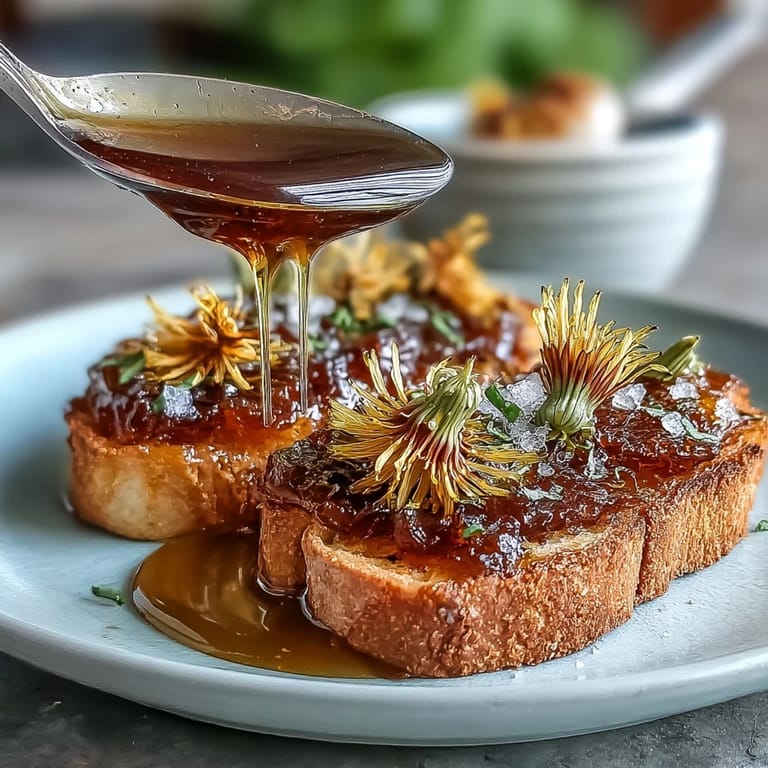
This golden jelly isn&apost; just for toast—try swirling a spoonful through yogurt, drizzling over pancakes, or pairing with mild cheeses for an elegant snack.
- Be sure jars are cooled before storing in the fridge or pantry.
- If gifting, decorate with a ribbon or handwritten label for a personal touch.
- Use within a year for best flavor and texture.
 Pin to Board
 This jelly is the taste of spring, bottled up for any gray morning. I hope making it brings as much delight to your kitchen as it has to mine.
Recipe Questions & Answers
- → How do I prepare dandelion petals?
Rinse flowers thoroughly. Pinch off only yellow petals, avoiding green parts to minimize bitterness.
- → Can I use dried dandelion petals?
Fresh petals are preferred for vibrant flavor, but dried petals can be used if rehydrated carefully.
- → Why does the jelly need pectin?
Pectin helps the jelly set and gives it the desired consistency by interacting with sugar and acid during cooking.
- → How can I add extra citrus flavor?
Add orange zest with lemon juice for a brighter citrus twist to the finished jelly.
- → What is the yield for this jelly?
This method produces about four 8 oz jars, depending on how much liquid is strained from petals.
- → Is it safe for vegetarians and gluten-free diets?
Yes, the jelly contains no animal products or gluten, making it suitable for vegetarian and gluten-free lifestyles.
- → How should I store the finished jelly?
Properly processed jars can be stored in a cool, dark place. Refrigerate after opening for freshness.