 Pin to Board
 My sister called me three weeks before Mother's Day in a mild panic, asking if I could bake something special that wouldn't just look pretty but actually taste like love. That's when this cake came to life—layers of tender vanilla sponge that practically melt on your tongue, wrapped in clouds of silky pink buttercream that shifts from blush to rose to nearly fuchsia. I wanted something that felt both elegant and achievable, a cake that would make her feel celebrated without requiring me to stress about fondant or complicated techniques. The ombre effect is forgiving enough that happy accidents actually look intentional, and the whole thing comes together in an afternoon.
When I finally placed that cake on my sister's table with fresh violets scattered across the top, she went completely quiet for a moment. Then she laughed and said it was almost too pretty to cut—but then she cut right into it anyway, and watching her face when she tasted that soft crumb and smooth buttercream made every single step worth it. That's when I realized this cake isn't really about impressing people; it's about giving them a moment where they feel genuinely celebrated.
Ingredients
- All-purpose flour (2 ½ cups): The foundation of your tender crumb—make sure it's properly measured by spooning and leveling, not scooping directly from the bag, or you'll end up with a denser cake than you want.
- Baking powder (2 ½ tsp): This creates the gentle rise that keeps the cake light and airy without being fluffy like angel food.
- Salt (½ tsp): A small pinch that somehow makes the vanilla sing and prevents the buttercream from tasting too sweet.
- Unsalted butter (1 cup for sponge, 1 ½ cups for buttercream): Room temperature is non-negotiable—cold butter won't cream properly and warm butter will make everything greasy and separate.
- Granulated sugar (2 cups): This sweetens the cake and helps create that light, fluffy texture when creamed with butter.
- Eggs (4 large): Room temperature eggs incorporate smoothly and create a richer, more stable batter than cold ones.
- Pure vanilla extract (1 tbsp for cake, 2 tsp for buttercream): Don't even think about using imitation extract—the real stuff is worth every penny and makes an actual difference.
- Whole milk (1 cup): Room temperature milk helps create a tender crumb and blends seamlessly into the batter without shocking the temperature.
- Powdered sugar (5 cups): Sift this before measuring—lumpy powdered sugar leads to gritty buttercream no matter how hard you beat it.
- Milk or heavy cream (2-3 tbsp): This adjusts the consistency of your buttercream to exactly the right spreading texture without making it greasy.
- Gel food coloring: Liquid coloring will thin your buttercream and ruin the texture, but gel coloring keeps everything silky and lets you build those gorgeous pink shades gradually.
- Edible flowers: Violets, pansies, and rose petals add elegance, but make sure they're specifically labeled as edible—ornamental flowers from florists often have pesticides.
Tired of Takeout? 🥡
Get 10 meals you can make faster than delivery arrives. Seriously.
One email. No spam. Unsubscribe anytime.
Instructions
- Prepare your pans:
- Preheat your oven to 350°F and grease three 8-inch round cake pans with butter or cooking spray, then line the bottoms with parchment paper circles so the cakes release cleanly. This setup is worth the extra minute because nothing ruins a cake day faster than a layer sticking to the pan.
- Blend your dry ingredients:
- Whisk together the flour, baking powder, and salt in a medium bowl and set aside. This distributes the leavening evenly so you won't get weird flat spots in your cakes.
- Cream butter and sugar:
- In a large bowl, beat the room-temperature butter and sugar together on medium-high speed for 3 to 4 minutes until the mixture is pale, fluffy, and noticeably lighter in color. You're essentially whipping tiny air bubbles into the butter, which is what creates that tender, velvety crumb.
- Add eggs one by one:
- Beat in each egg individually, making sure it's fully incorporated before adding the next one—this prevents the batter from looking curdled or broken. Once all four eggs are in, add the vanilla extract and mix until smooth.
- Alternate flour and milk:
- Add the flour mixture and milk in three additions, starting and ending with flour, and mixing on low speed just until combined after each addition. This technique prevents overmixing, which would make the cake tough, and ensures everything is evenly distributed without overworking the gluten.
- Divide and bake:
- Divide the batter evenly among the three prepared pans and smooth the tops gently with the back of a spoon. Bake for 25 to 30 minutes until a toothpick inserted into the center comes out clean and the tops spring back lightly when touched.
- Cool with patience:
- Let the cakes cool in their pans for exactly 10 minutes—this allows them to firm up enough to release cleanly—then turn them out onto wire racks to cool completely. Rushing this step is tempting but will lead to broken layers.
- Beat the buttercream base:
- With your softened butter in a large bowl, beat on high speed for 2 to 3 minutes until it's creamy and light, then gradually add the sifted powdered sugar on low speed. Once it's combined, add the vanilla and milk, then beat on high for another 3 minutes until fluffy and cloud-like.
- Create your ombre shades:
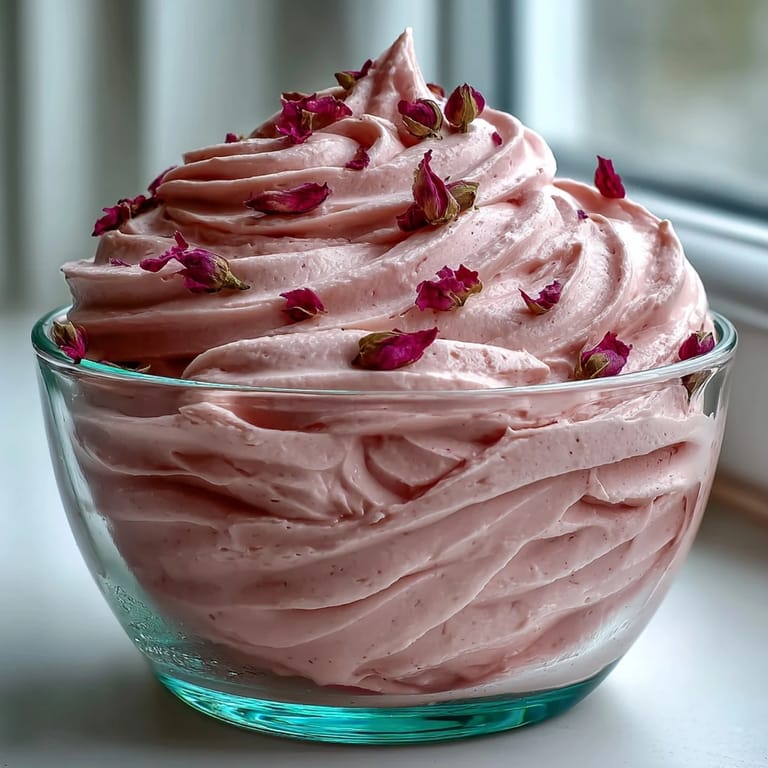
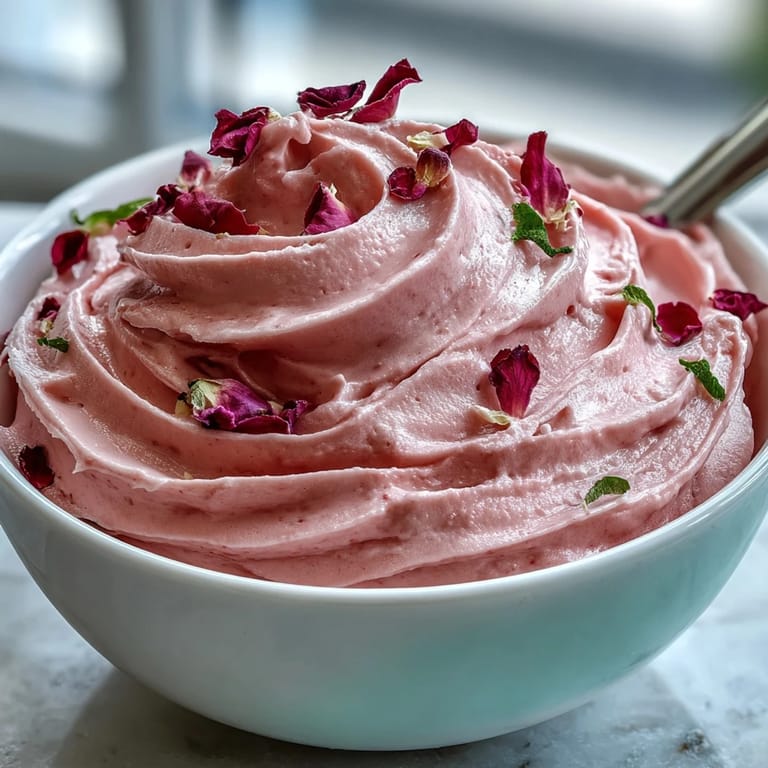
- Divide the buttercream into four equal bowls—leave one completely white and add tiny amounts of gel food coloring to the others, increasing the intensity so you have light pink, medium pink, and dark pink. The beauty of gel coloring is that you can keep adding drops without affecting the consistency.
- Stack and spread:
- Place your first cake layer on a serving plate, spread the darkest pink buttercream on top, add the second layer with medium pink buttercream, then the final layer with light pink on top. Use an offset spatula to spread white buttercream around the sides for a stunning ombre effect from light at the top to white at the bottom.
- Smooth and blend:
- Use your offset spatula to smooth the buttercream as much or as little as you like, or grab a bench scraper and gently blend the ombre colors where they meet for a dreamy gradient effect. The imperfections actually look intentional and beautiful, so don't stress about perfection here.
- Add flowers and chill:
- Place edible flowers strategically across the top and down the sides, then refrigerate the cake for at least 30 minutes before slicing. The cold makes cutting cleaner and the cake holds its shape better.
 Pin to Board
 My neighbor knocked on the door after my sister shared a photo of the cake, and within a week, I'd made three more versions for birthdays and celebrations. What surprised me wasn't how impressive the cake looked, but how the people I made it for seemed to feel genuinely seen and celebrated by the effort—as if the ombre gradient and flowers were saying something words couldn't quite capture.
The Magic of Room Temperature Ingredients
I learned this lesson the hard way after pulling eggs straight from the fridge and wondering why my batter looked like cottage cheese halfway through. Room temperature ingredients mix together smoothly and create an emulsion that traps air bubbles, which is literally what creates that tender, fine crumb. Take your butter and eggs out of the fridge at least an hour before you start baking, or even the night before—this one detail changes everything about how your cake turns out.
Ombre Effects Without Stress
The ombre effect looks much more complicated than it actually is, which is why it's so satisfying to pull off. You're essentially just spreading slightly different shades of pink in layers, and because buttercream blends so forgivingly, any blurring between colors actually looks intentional and dreamy. If you're nervous about the gradient, remember that edible flowers scatter strategically will draw the eye and make any rough spots look like part of the design.
Decorating with Edible Flowers
Fresh edible flowers are what transform a pretty cake into something that feels truly special and celebratory. You can buy them from specialty grocers, farmers markets, or online, but always confirm they're labeled edible—ornamental flowers from regular florists are treated with chemicals you absolutely don't want on food. Place them just before serving if possible so they stay crisp and colorful, and if you use any non-edible flower toppers for decoration, remove them before anyone takes a bite.
- Violets and pansies are the most readily available edible flowers and they're forgiving to work with because they're sturdy and pretty at any angle.
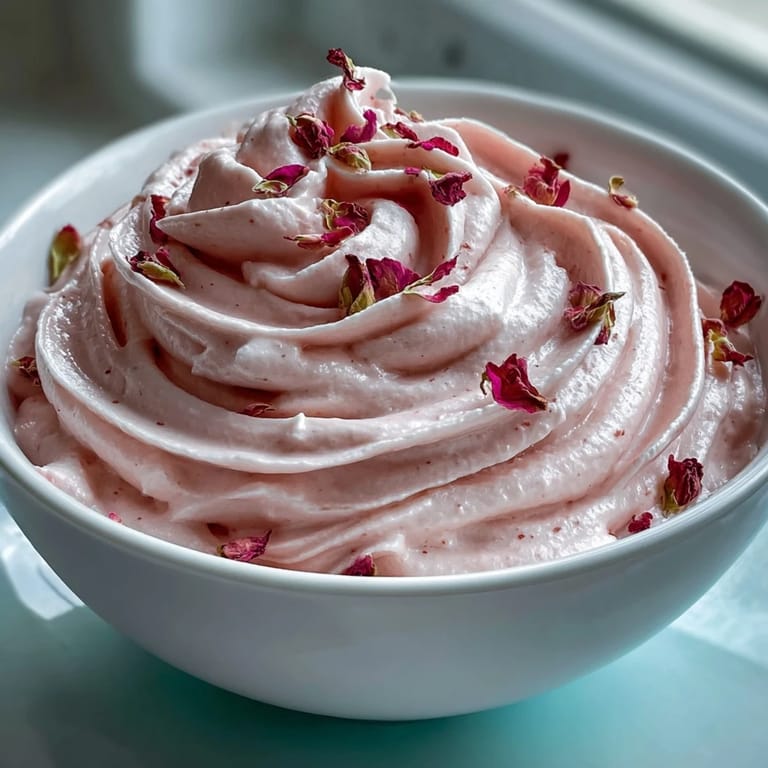
- Rose petals are beautiful but can be fragile, so handle them gently and add them as your very last touch right before serving.
- If you can't find fresh edible flowers, you can still make a stunning cake with just the ombre buttercream—the gradient is the real showstopper anyway.
 Pin to Board
 This cake is meant to be made with someone in mind, whether that's your mom, your sister, or anyone who deserves to feel celebrated with something tender and beautiful. It's the kind of dessert that brings people together for the right reasons—not to impress anyone, but to say, without words, that they matter.
Recipe Questions & Answers
- → How is the pink ombre effect achieved?
The buttercream is divided into four portions with three tinted in progressively lighter pink shades using gel food coloring, then layered to create a smooth gradient.
- → What type of flowers can be used for decoration?
Edible flowers such as violets, pansies, and rose petals add a delicate touch, while non-edible flower toppers should be removed before serving.
- → Can the cake layers be brushed for extra flavor?
Yes, brushing cooled cake layers with simple syrup enhances moisture and flavor before applying the buttercream.
- → What is the best way to get smooth sides on this cake?
Using an offset spatula and optionally a bench scraper helps blend the buttercream smoothly and emphasize the ombre effect on the sides.
- → How should this dessert be stored before serving?
Refrigerate for about 30 minutes before slicing to firm up the frosting and ensure clean, neat portions.