 Pin to Board
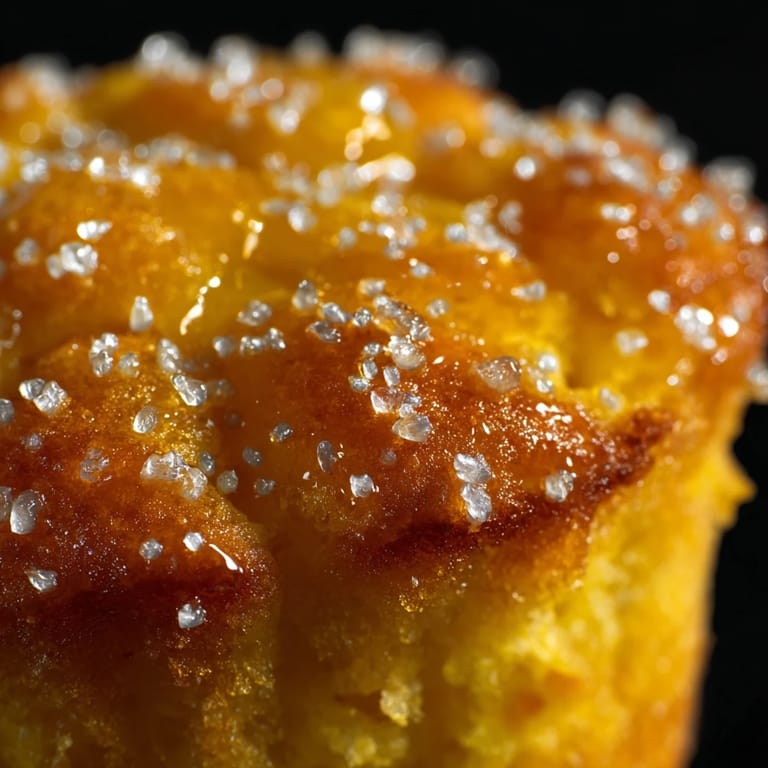
 There's something about the smell of lemon zest hitting a hot pan that makes you believe spring has actually arrived, even if the weather hasn't caught up yet. I discovered these muffins on a Saturday morning when I was determined to use up three lemons sitting on my counter before they went soft, and honestly, I wasn't expecting them to turn out this good. The poppy seeds caught the light in the batter like tiny dark jewels, and when they came out of the oven, the kitchen smelled like a lemon grove had somehow moved into my apartment. My partner walked in mid-bake and asked if I was making cake for breakfast, which seemed like the highest compliment. Now they're my answer whenever someone asks what to bring to brunch.
Last Easter, I made a triple batch because my sister was bringing her new boyfriend to brunch, and I wanted to seem like the kind of person who has her life together. I pulled them out of the oven at different times, and somehow they all turned out golden and tender, which felt like a small miracle. When he bit into one and closed his eyes for a second, I knew I'd nailed it, and my sister caught me trying not to look too pleased with myself. It's funny how a muffin can become a quiet moment of victory.
Ingredients
- All-purpose flour (2 cups): The foundation that keeps these tender without being dense; make sure it's measured by spooning and leveling, not scooping straight from the bag, or you'll end up with brick-like muffins.
- Granulated sugar (1 cup): Sweetness that balances the tartness of the lemon, dissolving into the crumb for moisture.
- Poppy seeds (2 tbsp): The textural surprise that makes these feel special; toast them lightly in a dry pan for five minutes before adding if you want even more depth.
- Baking powder and baking soda (2 tsp and ½ tsp): The pair that works together to give you a tender crumb and that gentle rise; use fresh leavening or your muffins will spread instead of climb.
- Salt (½ tsp): The invisible hero that makes the lemon flavor sing louder.
- Eggs (2 large): Binding and richness; room temperature eggs mix more evenly into the batter than cold ones.
- Whole milk (¾ cup): Creates a tender crumb when combined with the fat and acid from the lemon.
- Unsalted butter, melted and cooled (½ cup): Always cool it slightly or it will scramble the eggs when combined; melted butter keeps these cakes moist and tender.
- Freshly squeezed lemon juice (⅓ cup): Fresh is non-negotiable here; bottled juice tastes thin and flat by comparison, and the flavor is why you're making these.
- Lemon zest (2 tbsp): This is where the lemon aroma lives; zest before juicing the lemon for easier access.
- Pure vanilla extract (1 tsp): A supporting note that doesn't announce itself but makes the whole flavor profile feel complete.
- Powdered sugar for glaze (1 cup, sifted): Sifting removes lumps and gives you a smooth glaze that catches the light.
- Lemon juice for glaze (2-3 tbsp): Adjust to taste; if you like it more tangy, use three; if you prefer it sweeter, use two.
Tired of Takeout? 🥡
Get 10 meals you can make faster than delivery arrives. Seriously.
One email. No spam. Unsubscribe anytime.
Instructions
- Heat your oven and prepare:
- Preheat to 375°F (190°C) and line your muffin tin with paper liners or a light grease. This step takes two minutes but prevents disappointment when you try to remove warm muffins from a bare pan.
- Mix the dry team:
- In a large bowl, whisk together flour, sugar, poppy seeds, baking powder, baking soda, and salt until everything is evenly distributed. You're not making dough yet; you're just organizing your dry ingredients so they're ready to meet the wet ones.
- Combine the wet ingredients:
- In a separate bowl, whisk eggs, milk, melted and cooled butter, lemon juice, lemon zest, and vanilla until well combined and smooth. The zest should be visible as tiny flecks throughout, and the mixture should smell strongly of lemon.
- Bring them together gently:
- Add the wet ingredients to the dry ingredients and stir gently with a spatula or wooden spoon until just mixed; lumps are your friends here, overmixing is your enemy. You're looking for a batter that looks a little rough, not a smooth paste, because that roughness means tender muffins.
- Fill the tin:
- Divide the batter evenly among the muffin cups, filling each about three-quarters full. This gives the muffins room to rise without spilling over, and even distribution means they bake at the same rate.
- Bake until golden:
- Bake for 18-20 minutes, or until a toothpick inserted into the center comes out clean or with just a few moist crumbs. The tops should be light golden brown and spring back slightly when you touch them gently.
- Cool with patience:
- Let muffins cool in the pan for 5 minutes, which firms them up just enough to remove without falling apart, then transfer to a wire rack to cool completely. This step prevents steam from making them soggy.
- Make the glaze:
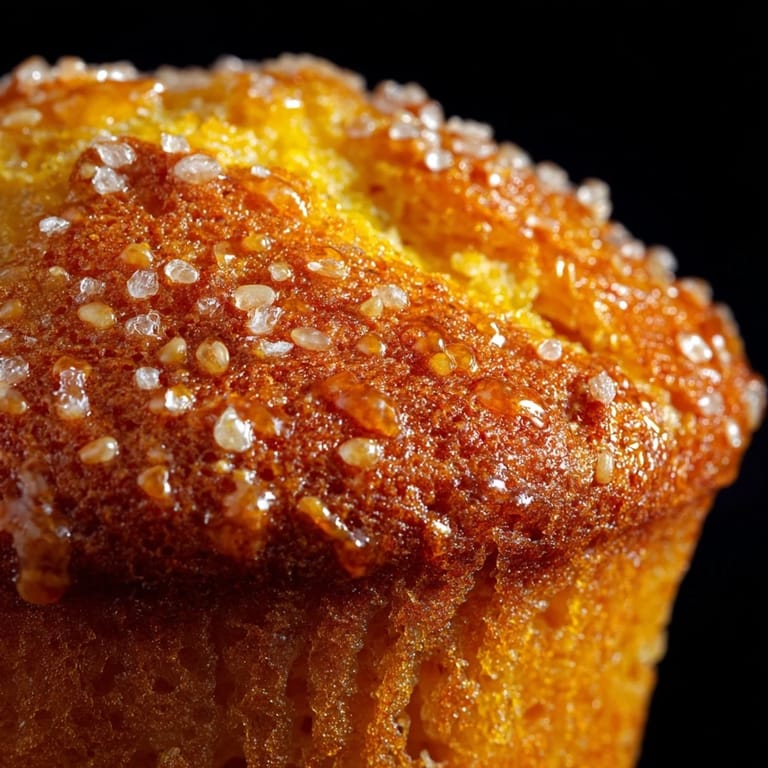
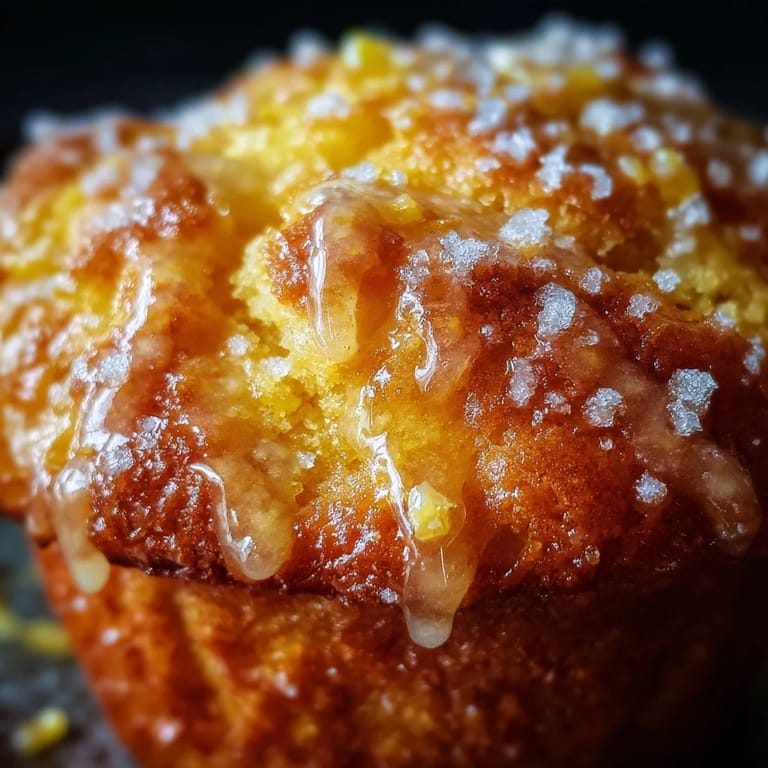
- Whisk together powdered sugar and lemon juice until smooth and pourable; the consistency should be like thick cream. Drizzle over completely cooled muffins and let the glaze set before serving, which takes about ten minutes.
 Pin to Board
 A few months ago, my neighbor knocked on my door with a sad expression and said she'd had a terrible week, and without thinking, I handed her a muffin and watched her entire face change. She came back the next day and asked for the recipe, and that small moment reminded me that food is sometimes the thing we offer when words feel inadequate. These muffins have a way of landing gently in people's hands during the seasons when they need something bright.
The Lemon Factor
Lemons are temperamental in baking because their acidity affects how everything else behaves, but once you understand that, you can play with it. The juice and zest don't just flavor these muffins; the acid reacts with the baking soda to create lift and tenderness, which is why you can't just swap in lime juice and expect the same result. I've experimented with different lemon varieties, and Meyer lemons make these slightly sweeter and more floral, while regular Eureka lemons give you that classic sharp brightness. The key is tasting your lemon juice before you add it; sometimes they're more acidic depending on where they're from and how they've been stored.
Texture and Moisture Magic
One afternoon, I made a batch where I accidentally used half Greek yogurt instead of some of the butter because I misread my notes, and they turned out less rich but still incredibly moist and almost fluffy. It taught me that the combination of acid, fat, and moisture is what creates that tender crumb, not any single ingredient. If you like them denser and more cake-like, reduce the milk slightly; if you want them airier, use an extra egg and slightly less flour. The beauty of understanding the why behind each ingredient is that you can adjust without breaking the recipe.
Serving and Storage Wisdom
These muffins are best the day they're made, when the crumb is most tender and the glaze is still glossy, but they're still excellent for three days if you keep them in an airtight container at room temperature. Warming them in the toaster oven for a few minutes brings back some of their just-baked magic without drying them out. They also freeze beautifully for up to three months if you wrap them individually and store them in a freezer bag; just thaw at room temperature and they'll taste almost fresh again.
- Pair these with sparkling lemon water or a light herbal tea to echo their brightness without competing.
- Make the glaze right before serving for the smoothest, most pourable consistency.
- If you're making these for a crowd, you can bake them a day ahead and glaze them the morning of serving.
 Pin to Board
 These muffins have become my answer to spring, my peace offering, my way of saying I'm thinking of you without words. They're simple enough that anyone can make them, but special enough that people will think you spent your morning on them.